Recognizing the Basics of Business Corporations
Business firms are complex entities that play a crucial function in the international economic climate, assisting in not just the exchange of items and solutions but additionally supplying opportunities for investment and employment. Essentially, a business firm is a lawful entity that is separate and distinctive from its proprietors, called investors. This structure allows the corporation to have assets, incur responsibilities, and participate in agreements in its own name. One of the main advantages of a corporate structure is restricted obligation, which suggests that investors are just in charge of the financial debts and responsibilities of the company up to the quantity of their investment. This attribute shields individual properties in the event that the firm encounters lawful concerns or insolvency.
The governance of a company is overseen by a board of directors, elected by the investors. The board makes major decisions and sets the tactical direction of the business, while the daily operations are managed by policemans appointed by the board, such as the CEO. Different sorts of corporations exist, including publicly traded corporations, where shares are dealt on public stock exchanges, and closely held companies, which do not supply public shares and usually have less investors. Another form is the S firm, developed for small to medium-sized businesses in the USA, which supplies particular tax obligation benefits but includes restrictions on the number and kind of investors. Recognizing these distinctions is essential for any person engaged in or preparing to start a corporate endeavor, as each kind has certain governing, tax obligation, and operational implications that can substantially influence organization efficiency.
Recognizing the Structure of a Service Corporation
An organization company is a legal entity that is different and unique from its owners, providing an official structure for conducting tasks. Commonly referred to as a legal individual, a firm can have residential property, sustain liabilities, pay tax obligations, become part of contracts, and take legal action against or be filed a claim against similar to any kind of person. This framework is especially appealing for organizations aiming to grow or increase, as it permits them to gain access to resources by releasing supply and guards the individual properties of shareholders from business liabilities. marketing strategy real life examples are regulated by a board of supervisors, chosen by investors, which oversees the significant plans and decisions. The board appoints officers such as the chief executive officer, that manages the day-to-day procedures of the firm. The lawful requirement to record monetary events and decisions, and to report regularly to the investors, makes firms a version of transparency. This is essential in keeping capitalist trust and making sure that business runs efficiently, sticking to both lawful criteria and market expectations. While establishing a company entails more documentation and expenditure than a single proprietorship or a collaboration, the advantages of company status, consisting of potential tax obligation advantages, commonly outweigh these drawbacks for numerous company owner.
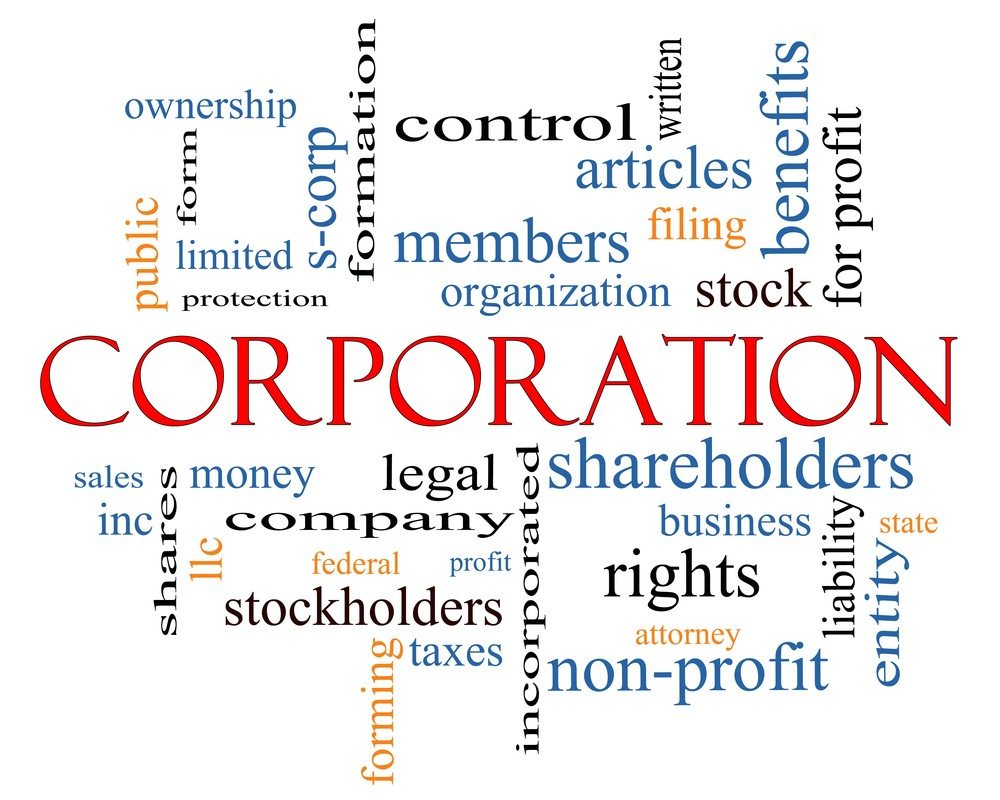
Trick Elements of Business Firm Structures
On the planet of organization, recognizing the framework of a firm is crucial for anyone associated with the company environment, whether they are stakeholders, investors, or possible employees. An organization firm is a kind of legal entity that is distinctive from its proprietors, providing minimal liability to its shareholders, meaning that in the majority of instances, individual properties are secured from organization financial debts and responsibilities. Firms are typically structured around three vital teams: police officers, directors, and shareholders. Shareholders are the owners of the company. They spend capital right into business and in return, receive shares standing for part ownership. This investment does not generally entail daily participation in business's operations, yet it does grant the shareholders the right to vote on major company decisions and choose the board of supervisors. The board of supervisors is responsible for managing the company's overall plan and instructions. Although not associated with day-to-day procedures, this group makes considerable decisions that impact the business's program, from monetary strategies to major corporate actions. Supervisors are elected by the investors and are frequently anticipated to add worth to the corporation not just via strategic decision-making but likewise by generating competence, calls, and trustworthiness. The officers of the firm, including placements like the CEO, CFO, and COO, are accountable for the day-to-day monitoring of the company. They carry out the policies and regulations set by the board and ensure that the corporation achieves its tactical and operational goals. Comprehending these duties and the vibrant communications between them is crucial for any person involved with a company entity. Each team holds particular responsibilities that, when implemented successfully, add to the effective and ethical administration of the firm. This structure also looks for to balance rate of interests among different stakeholders, making sure that decisions are made with a broad viewpoint that thinks about both the short-term operational success and the long-lasting calculated objectives of the company. In summary, the framework of a company is designed to develop a robust structure for company operations, which is essential for attaining continual success in a competitive market setting.
Comprehending the Lawful Framework of Service Companies
The lawful framework regulating company firms is detailed and differs significantly from one jurisdiction to another, but certain foundational concepts are widely identified. These corporations, additionally understood as business entities, are legally distinctive from their owners, offering them not only with minimal obligation however also with structured flexibility in regards to administration and ownership transfer. This arrangement makes it possible for companies to elevate funding with the sale of supply, which can attract financiers who are guaranteed by the splitting up between individual and business financial resources. From the viewpoint of long life, a company's framework is made to proceed forever, enduring the separation or death of any type of specific member. This aspect is important as it enables companies to embark on long-lasting tasks and financial investments, positive in their stability in time. Furthermore, firms go through a selection of legal demands consisting of regular economic coverage, governance compliance, and adherence to the regulations of the regions in which they run. These terms make certain openness and responsibility, shielding stakeholders and preserving public depend on. Additionally, while the firm appreciates certain advantages like tax advantages which specify to its legal standing, it additionally encounters analysis under legislation to ensure it does not abuse its powerful position on the market. Comprehending these legal contours is vital for anybody took part in or planning to involve with a business company, be it as an owner, employee, investor, or regulator.
Strategic Administration in Modern Company Companies
Strategic management within contemporary organization companies is a cornerstone that determines not just the instructions a company will certainly go after however additionally the techniques it will take on to achieve its lasting objectives. This entails a careful solution of strategies that line up with the business's objective and vision, an understanding of the competitive atmosphere, and an unyielding commitment to adjusting to market variations. Companies today encounter a myriad of challenges, consisting of technological modifications, regulatory requirements, and progressing consumer choices. These obstacles require a dynamic technique to approach advancement, emphasizing advancement, sustainability, and worldwide reasoning. As an example, with the speeding up rate of technical development, firms have to constantly invest in r & d to stay at the leading edge of their industries. This not only includes the improvement of existing solutions and items yet likewise the expedition of new markets and opportunities. The increase of international markets commands a strategy that is not only reliable in your area yet also versatile to various worldwide contexts. A company's capability to integrate cultural, economic, and lawful distinctions into its organization operations can often be an essential consider its international success. Strategic administration is not simply about planning and implementation; it is about promoting a society that is forward-thinking, durable, and inclusive, guaranteeing that the company remains pertinent and competitive in a fast-evolving globe.